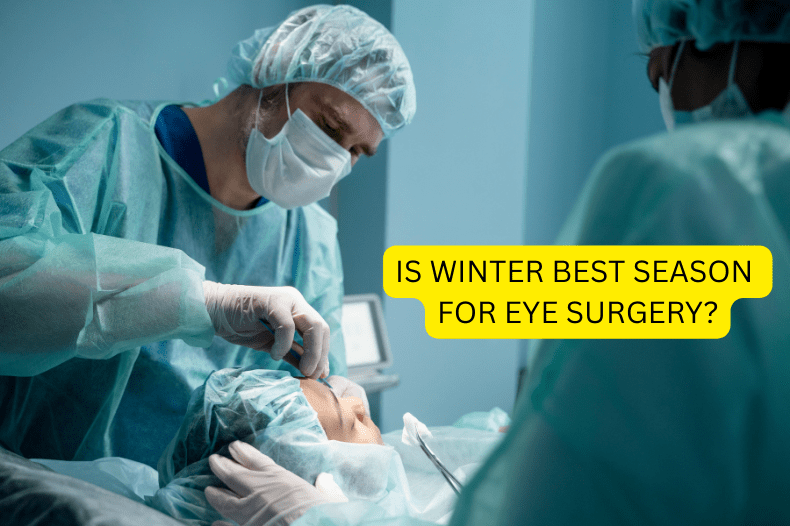
Choosing the right time for eye surgery can be just as important as choosing the right procedure. Many people wonder whether winter offers any real advantages when it comes to healing and comfort after surgeries like cataract or LASIK or advanced retina surgeries. While eye surgeries are safe throughout the year, the winter season bring certain conditions that can make recovery smoother and more convenient for many patients. So, is winter truly the best season for eye surgery? Let’s explore the factors that can help you decide.
The success of any eye surgery rely on surgical skill but it also depends on how smoothly your eyes heal afterward. Environmental conditions like temperature, humidity, dust levels, and sunlight exposure can make a big difference in recovery experience.
- Summer: Hot weather, sweat, dust, and high UV exposure may cause discomfort and slow healing. Patients may feel more irritation and dryness.
- Monsoon: The rainy season brings humidity, which increases the risk of bacterial or fungal infections after surgery.
- Winter: A cool and relatively dry climate often makes the recovery phase more comfortable and reduces complications
Benefits of Winter Eye Surgeries
1. Less Chances of Infection:
A cool and relatively dry climate decrease chances of growth of microorganism, so makes it suitable time for surgery.
2. Lower risk of Sweating
Many patients report that their eyes feel less irritated, itchy, or dry after surgery in winter compared to summer months. Cold weather helps minimize sweating and discomfort, lowering the chances of accidentally rubbing your eyes. This allows smoother recovery with fewer complaints of redness.
3. Less Sun Exposure During Recovery
Strong UV rays can affect sensitive eyes after many eye surgeries. So doctors recommend avoiding direct sunlight and UV exposure for a few weeks.
Winter’s shorter days and gentle sunlight make this easier, helping reduce glare discomfit and UV related irritation.
4. More Time for Rest and Healing
Winter often slows life down. The winter holiday season provides natural breaks for many people. This season naturally supports:
- More Rest
- Less exposure to dust and wind
- A calmer recovery period
It’s easier to stay indoors and follow your aftercare routine consistently. Adequate rest is vital for faster healing and reducing risks of complications.
5. Less Risk of Seasonal Allergies
If you suffer from seasonal allergies, spring and fall can make your eyes itchy or watery, not ideal during recovery. Winter tends to have fewer allergen in the air, reducing irritation and inflammation.
Common Types of Eye Surgery Performed in Winter
Cataract Surgery
Cataracts are common among seniors and can blur or dim vision. Many patients prefer winter for cataract surgery because recovery is smoother, and the cooler weather helps reduce inflammation and discomfort. At 3D VISION EYE HOSPITAL, cataract procedures are performed with advanced MICS (Micro Incision Cataract Surgery) with phacoemulsification techniques, ensuring quick recovery and better vision.
LASIK Eye Surgery
LASIK is a popular choice for those who want freedom from glasses or contact lenses. Since winter reduces dry-eye symptoms, patients find the post-surgery phase easier. If you’ve been waiting to correct your vision, winter is an excellent time for LASIK.
Squint Surgery
Squint surgeries in kids can be planned during winter vacation as they will have more recovery time at home. Winter’s healing-friendly environment supports recovery.
Precautions Before and After Winter Eye Surgery
Even though winter offers many benefits, patients must take some precautions to ensure a smooth healing journey:
- Stay Hydrated: Cold weather can cause dry air, worsening eye dryness. Drink enough water and use a humidifier indoors if needed.
- Use Prescribed Drops: Follow your doctor’s schedule for antibiotic and lubricating eye drops to prevent infection and dryness.
- Avoid Heaters and Direct Fans: Heaters and blowers can make the air drier. Keep your eyes protected.
- Protect from Cold Winds: Wear protective glasses outdoors to prevent irritation caused by chilly winds.
- Follow Dietary Advice: Eat vitamin-rich foods like green leafy vegetables, carrots, and omega-3 fatty acids to promote healing.
- Don’t Skip Follow-Ups: Regular check-ups to ensure your recovery is on track and complications are addressed early.
Choosing the Right Hospital for Eye Surgery in Jaipur
Your vision is priceless, and choosing the right hospital can make all the difference. At 3D VISION EYE HOSPITAL, we ensure patients get world-class care combined with compassionate support.
